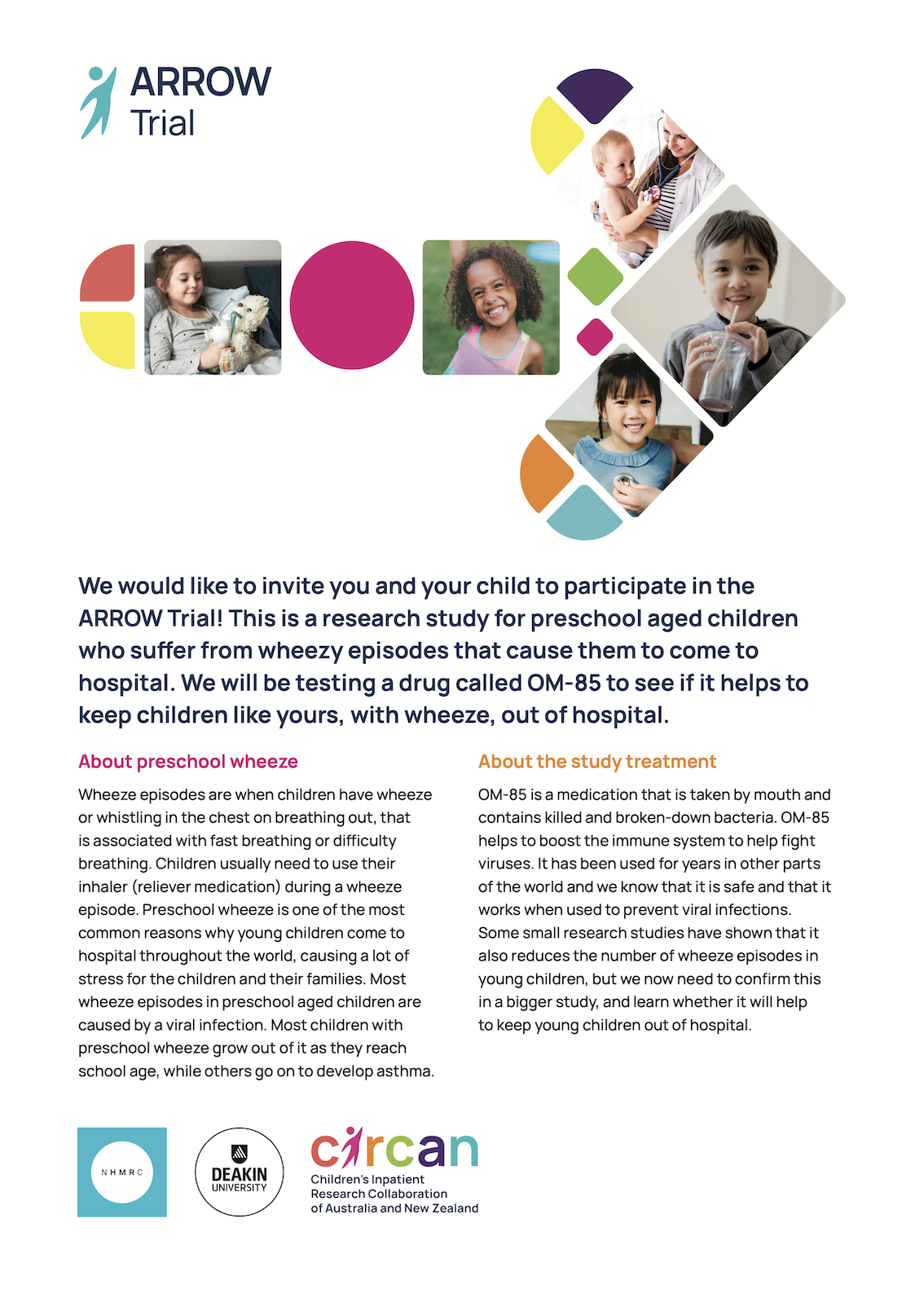
Meet PELICAN: A Global Network Interested In Lung Health After Preterm Birth

If you or your child were born prematurely, you might have heard about long-term health outcomes. One area that researchers around the world are focusing on is lung health. That's where PELICAN comes in.

PELICAN stands for Prematurity's Effects on the Lungs in Children and Adults Network. It was launched by the European Respiratory Society in 2020. PELICAN is a research collaboration bringing together clinicians, researchers and families from 33 countries around the world to pool data and answer some big questions about lung health for people born preterm. One of the Co-chairs Shannon Simpson is based at The Kids in Perth, Western Australia and our own Chairperson here at Tiny Sparks, Amber Bates is the lead Consumer on the Scientific Steering Committee.

The good news is that recent medical advances mean more babies born early are surviving than ever before. It’s time we move on from focusing in on survival and help these people thrive throughout life.  Some people born preterm will face life long lung health challenges. Researchers now use the term Prematurity Associated Lung Disease (PLD) to describe the lung health challenges that people experience following preterm birth. PELICAN's mission is to understand these challenges better and improve lifelong lung health for all people born prematurely.

PELICAN is building a global research network and data repository to help researchers understand how preterm birth affects lung health across a lifetime. They're collecting information from children and adults born prematurely, looking at lung function, respiratory health, and how different treatments and life experiences, especially those in the NICU and early life, affect lung outcomes. What makes PELICAN special is that it's creating a shared language and standardised measures for research. This means scientists from different countries can compare findings and work together more effectively to answer important questions about lung health after preterm birth.

If your child was born prematurely, PELICAN's research could offer valuable insights into what to expect, how to support their lung health, and what treatments or interventions work best. By connecting families with researchers and clinicians globally, PELICAN helps create better outcomes for children born too soon.

PELICAN has recently launched an Instagram page @pelican.network to help them directly connect with community members about important information. To share resources, stories and learnings and help you unpack the science in an easy to understand way.
EPIC: Guideline working group EOI

The Extremely Preterm Infant Centre of Research Excellence (EPIC-CRE) led by Professor Jeanie Cheong at the MCRI is developing a national Guideline for Growth, Health, and Developmental Follow-up for Children Born Very Preterm from School Age to Adulthood

The guideline aims to improve the quality of life and optimise health trajectories across the life course for children born very preterm, from school age to adulthood, supporting their increased risk of chronic and complex physical and mental health conditions and promoting consistent, coordinated care.

We are seeking individuals with lived experienced to join Guideline Development Group (GDG) to ensure the guideline is practical and relevant. The GDG will include diverse group from across Australia including clinical experts, researchers, people with lived experience, and representatives from Aboriginal and Torres Strait Islander communities, CALD populations, and rural and remote regions. 

GDG meetings will be held virtually every 3 months (around 8 sessions) from early 2026 to late 2027. Each meeting will run approx. 2 hours, with 1-2 hours of document review between meetings. 

This work builds on the NHMRC-endorsed 2024 Guideline for Growth, Health and Developmental Follow-up for Children Born Very Preterm, developed by the Centre of Research Excellence in Newborn Medicine, providing recommendations from birth to preschool age. Available at CRE in Newborn Medicine.

We invite individuals born very preterm (18+ years) and caregivers of individuals born very preterm (school age or older) to join the GDG. You can express your interest by completing this short survey: https://redcap.link/zaz118h0 

NEXT SPARK AWARD

The award is designed to support early career researchers in health and medical sciences.  This initiative aims to bring bright ideas to life that benefit children and young people born prematurely and their families.

Expressions of interest open 4/8/25 and close 22/9/25 with finalists receiving individual mentoring in October to perfect their Pitch.  You are all invited to the live Pitch event which will take place at Mounts Bay Sailing Club on November 16.  Make a pledge to support the award and purchase your tickets for the pitch on the ‘Tickets’ link below.  Everyone in attendance will vote and the winner will take home the prize and most importantly have some resources to turn their Next Spark idea into an epic bonfire.

Huge thanks to Graham Hall and Clare Berry who have generously provided their time and expertise to help us bring the Next Spark Award to life.

📆 Sunday, 16 November 2025

🕰️ 4pm - 6pm

🎟️ One beverage on arrival and light refreshments

📍 Mounts Bay Sailing Club, Australia II Drive, Crawley *The function room is only accessible via stairs*